The 7-Day Machame Route (9 Days Total from Arusha)
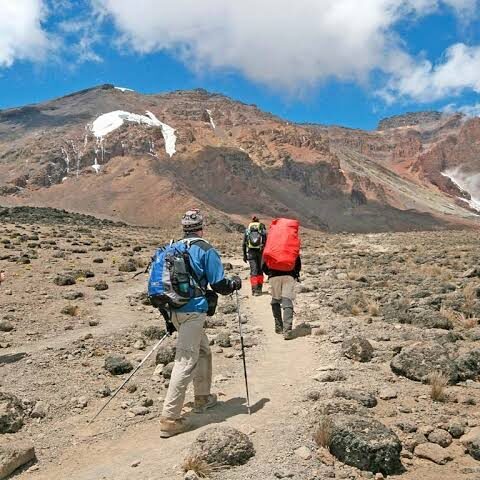
Mount Kilimanjaro is the tallest freestanding mountain on Earth and the highest point in Africa, and the Machame Route is the classic way up it. Nicknamed the “Whiskey Route” for its reputation as tougher than the hut-based Marangu trail, Machame trades a bit of convenience for scenery and acclimatization: five distinct climate zones in a single trek, three consecutive nights at altitude to let your body adjust, and a summit success rate around 85% on the 7-day itinerary — meaningfully higher than the shorter 6-day version of the same route. This itinerary runs 9 days in total: a night in Arusha before and after the climb, bookending seven days on the mountain.
Below is the full day-by-day plan, an at-a-glance overview, and exactly what’s included.
Trip Highlights
- Stand on Uhuru Peak (19,341ft), the summit of Kilimanjaro and the highest point on the African continent.
- Five distinct climate zones in one trek — rainforest, heath and moorland, alpine desert, and arctic summit conditions.
- Three nights at high-altitude camps built around the “climb high, sleep low” principle, giving the 7-day Machame Route one of Kilimanjaro’s better summit success rates.
- The Barranco Wall scramble and a stop at Lava Tower, two of the route’s signature landmarks.
- A comfortable night in Arusha before and after the climb, so you’re not roughing it on either end of the trek.
- Group pricing that improves the more people you climb with, from pairs through groups of 10 and above.
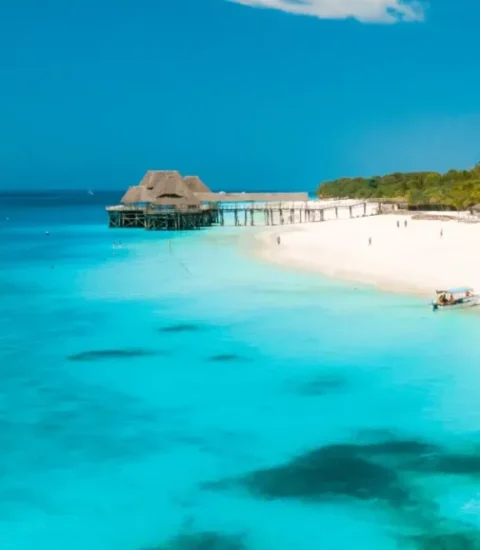
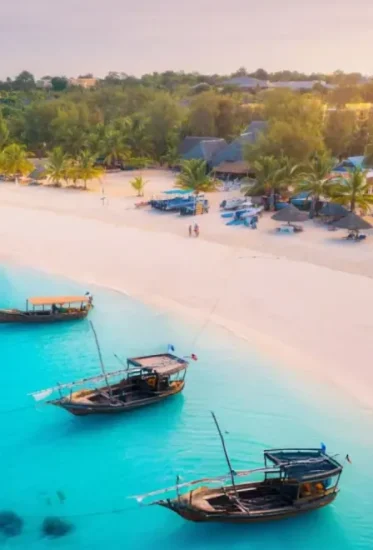
- The option to extend with a safari or a Zanzibar beach stay once you’re off the mountain.
Full Safari Itinerary — Day by Day
Land at Kilimanjaro International Airport and meet your guide for a welcome briefing — a chance to go over the week ahead, run through your gear, and settle any last-minute arrangements before the climb begins. Dinner and overnight at Raha Wildlife Resort.
A drive brings you to the Machame trailhead on the mountain’s southwest side (~5,380ft), where you’ll check in with park rangers and meet your mountain crew. From here, the route climbs through dense, mossy montane rainforest — a genuinely jungle-like start to the trek — before reaching Machame Camp for your first night on the mountain.
Hiking: 5–7 hours · Overnight altitude: ~9,350ft
The forest gives way to heath and moorland as the trail climbs a steep, rocky ridge before easing out onto the open Shira Plateau. Take your time here — the pace is deliberately unhurried, and the payoff is your first real view of Kibo, Kilimanjaro’s summit cone, opening up ahead.
Hiking: 4–6 hours · Overnight altitude: ~12,500ft
A long but valuable acclimatization day. The route climbs high to Lava Tower (~15,190ft) for lunch, with the option to scramble the formation itself if energy and weather allow, before descending into the Barranco Valley for the night. The scenery shifts dramatically across the day as you cross several distinct zones of the mountain.
Hiking: 6–8 hours · Overnight altitude: ~13,044ft
The day opens with the Barranco Wall — a steep scramble that looks more intimidating from below than it feels underfoot — followed by a series of ridges and valleys on the way to Karanga Camp. There’s often time for a short acclimatization walk in the afternoon before settling in for the night.
Hiking: 4–5 hours · Overnight altitude: ~13,106ft
A shorter day to your final camp before the summit push, crossing more of the mountain’s ridges and valleys along the way. An early dinner and an attempt at rest follow — you’ll be woken around 11pm to begin the ascent.
Hiking: 3–4 hours · Overnight altitude: ~15,331ft
Depart around midnight, climbing slowly by headlamp toward Stella Point on the crater rim before continuing to Uhuru Peak — the summit of Kilimanjaro and the highest point in Africa. Expect a deliberately slow pace and cold temperatures on the way up. After photos at the top, the descent continues all the way down to Mweka Camp — a genuinely long day covering both the summit push and a substantial drop in altitude.
Hiking: 6–7 hours to the summit, then 6–9 hours of descent · Summit altitude: ~19,341ft · Overnight altitude: ~10,500ft
A final few hours through the rainforest bring you down to Mweka Gate, where you’ll say goodbye to your mountain crew and pick up your summit certificate. Drive back to Arusha for a hot shower and a celebratory dinner.
Hiking: 3–5 hours
Transfer to Kilimanjaro International Airport for your flight home — or continue on to a safari or Zanzibar extension (ask us for a free quote).
📦 What's Included in the Safari Price
Included:
- 2 nights’ accommodation in Arusha (Days 1 & 8) at Raha Wildlife Resort
- 6 nights on the mountain in four-season mountain tents
- All Kilimanjaro National Park fees, camping fees, and rescue fees
- A certified mountain guide, assistant guides, porters, and a cook
- All meals while on the mountain (breakfast, lunch, dinner)
- Filtered drinking water throughout the climb
- Summit certificate on successful completion
Excluded:
- International flights
- Tanzania visa fees
- Travel insurance (make sure yours covers high-altitude trekking and emergency evacuation)
- Tips for your mountain crew — a meaningful and expected part of the culture on Kilimanjaro; ask us for guidance on typical amounts
- Personal climbing gear (sleeping bag, trekking poles, and similar items — gear rental can be arranged on request)
- The safari or Zanzibar extension (quoted separately, free of charge — see above)
Good to Know
- This is a serious physical undertaking, not a casual hike: good cardiovascular fitness matters — regular hiking with a weighted daypack in the months beforehand makes a real difference on summit night.
- Altitude, not fitness, is usually what turns people back: our guides move at “pole pole” (slowly, slowly) pace deliberately, and the extra night at Karanga Camp on this 7-day itinerary is specifically there to improve your acclimatization — and your odds.
- Best time to climb: the dry seasons, roughly January to mid-March and late June through October. April, May, and November bring the heaviest rains and are generally best avoided.
- Pack for extremes: temperatures range from warm, humid rainforest at the base to well below freezing at the summit — layered clothing, a warm sleeping bag, and a good headlamp are essential. Ask us for a full packing list when you book.
- Talk to your doctor before you go, particularly about altitude sickness prevention and any medication (such as Diamox) you might want to discuss in advance.
Ready to Book Your Kilimanjaro Climb?
Dry-season dates — January to mid-March and June to October — book up months in advance, especially around full moon periods when the summit views are best. The earlier you lock in your date, the more flexibility you’ll have on guides and permits.
The fastest way to get a real answer: message us on WhatsApp — most questions get a same-day reply with live availability for your dates.
📱 WhatsApp: +255 795 343 555 — tap to chat now
Email: bookings@bonafidetanzaniandreams.com
Website: bonafidetanzaniandreams.com
Group rates from $1,800 to $1,980 per person depending on group size — get in touch for a free, no-obligation quote confirmed for your exact dates.